Ahead of Gulfood Manufacturing 2026, Sealed Air’s Efrahin Avila on why packaging is becoming an active lever in food system resilience.
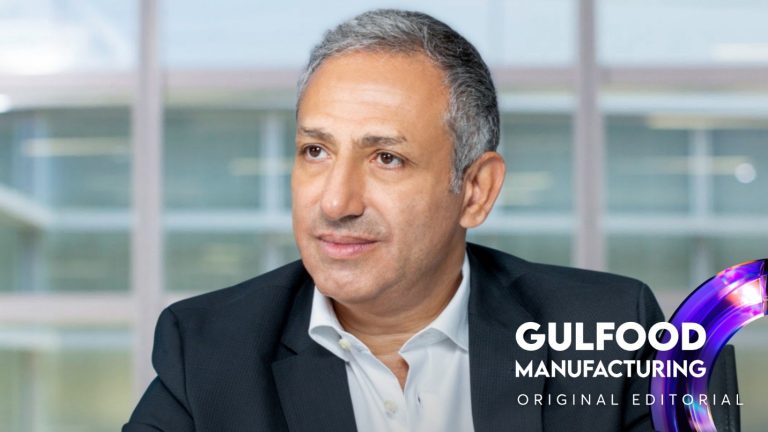
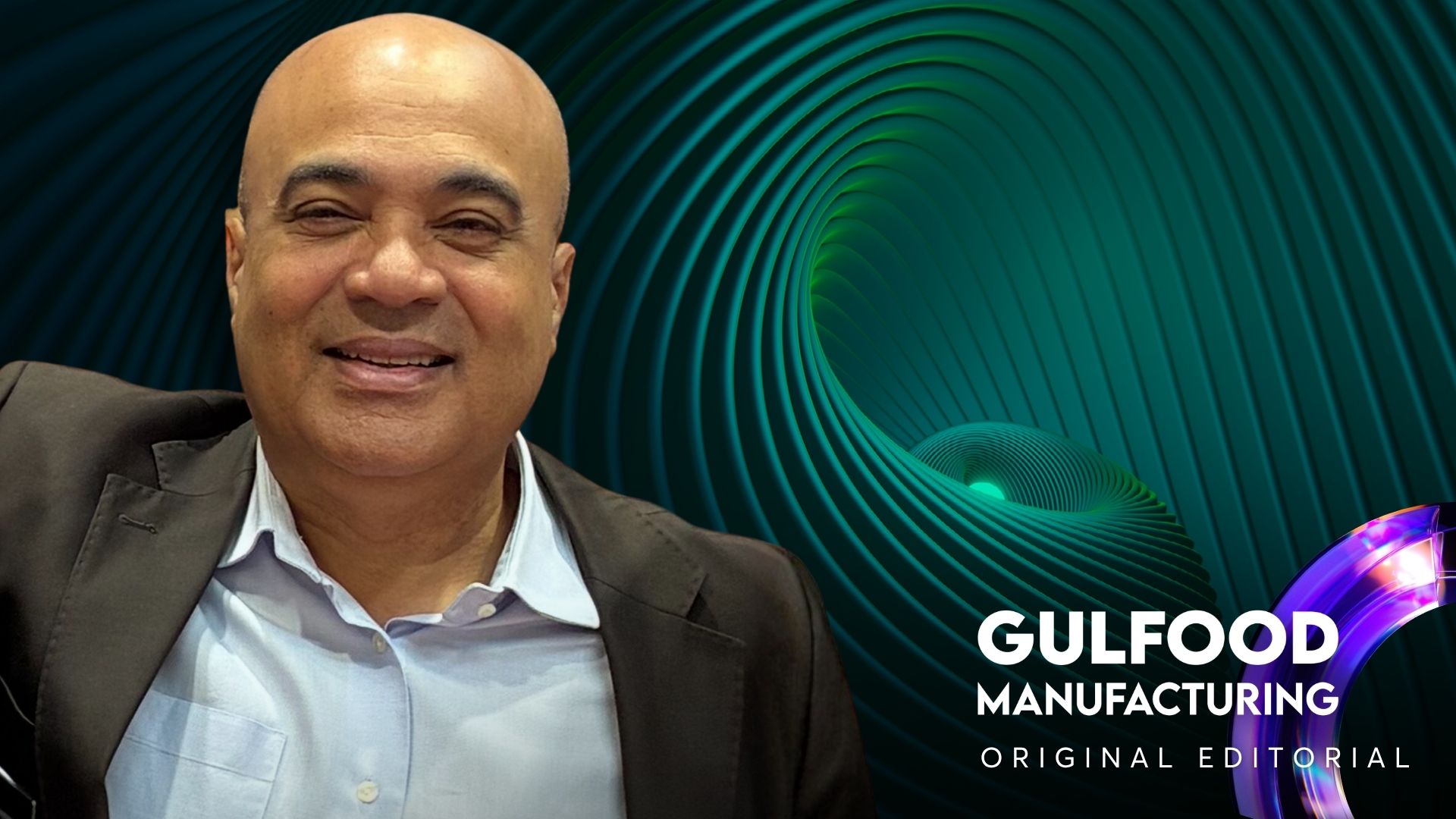
Packaging has long been treated as the last step in a food product’s journey, the wrapper that gets it from factory to fridge. Sealed Air, a global packaging company known for its Cryovac food packaging solutions, is pushing back on that idea. Ahead of Gulfood Manufacturing 2026, Efrahin Avila, Senior Director of Sales Food for South EMEA, shared his view on why food security has become a system-wide challenge, how packaging is stepping into a far more active role and what he expects from the conversations taking place at this year’s show.
Resilience Now Means Something Bigger
For Avila, the old definition of food security no longer covers what the industry is actually up against. “Food security is no longer simply a supply challenge, it is a system-wide priority that requires resilience, adaptability and continuous innovation across the entire value chain,” he says. In the Middle East specifically, where import dependency stays high and climate adds its own constraints, he notes that the pressure to deliver both efficiency and reliability is even more pronounced.
That pressure is reshaping how resilience gets defined in practice. Rather than focusing purely on keeping products available, Avila describes a shift towards reducing waste, extending shelf life and building more predictable operations from the production line through to the retail shelf. Within that shift, he sees packaging taking on a role it has not held before, moving from “a passive component” to something closer to “an active lever to improve food system performance.”
A Region Investing In Its Own Supply Chain
Avila points to real momentum building across the UAE and the wider GCC, with rising investment in advanced food processing, local production capacity and cold chain infrastructure. Running alongside that investment is a clear move towards automation and high-efficiency systems, giving producers a way to manage labour constraints while still holding output quality steady at scale.
That combination is changing what packaging is expected to deliver. Solutions now need to integrate cleanly with high-speed operations while showing measurable improvements in performance, a bar that Avila says has risen considerably in recent years.
Sustainability, Viewed More Practically
Sustainability has not slipped down the agenda, but Avila describes the industry’s approach to it becoming more grounded. In markets where preservation and logistics carry real weight, he says the focus has moved away from chasing a single metric and towards balanced solutions, “those that reduce material use and environmental impact while protecting product integrity and minimising food waste.” That more rounded view, he adds, is shaping what the next generation of packaging innovation looks like across the region.
What Avila Expects From Gulfood Manufacturing 2026
Looking ahead to this year’s show, Avila sees the conversation continuing to evolve past individual technologies and towards how different parts of the value chain can work together. He points to material innovation, automation and data-driven decision-making as the pieces that, combined, help build more resilient food systems.
He views Gulfood Manufacturing as a key platform for exactly that kind of exchange, bringing industry players together to “exchange perspectives, challenge assumptions and accelerate the transition towards solutions that are not only more sustainable, but also scalable and operationally viable in real-world conditions.” For Avila, the show also plays a longer role, helping foster the kind of working relationships he considers essential for anyone committed to the region over the long term.
Q&A with Efrahin Avila, Senior Director of Sales Food, South EMEA, Sealed Air
Q: What does food security mean for the industry today?
A: Food security is no longer simply a supply challenge, it is a system-wide priority that requires resilience, adaptability and continuous innovation across the entire value chain. In regions such as the Middle East, where food import dependency remains high and climatic conditions present additional constraints, the pressure to deliver both efficiency and reliability is even more pronounced.
Q: How is the definition of resilience changing?
A: It is no longer just about ensuring availability, but about reducing waste, extending shelf life and enabling more predictable, efficient operations from production through to retail. In this context, packaging is playing a far more strategic role, not as a passive component, but as an active lever to improve food system performance.
Q: What shifts are you seeing across the UAE and GCC?
A: We are seeing rapid acceleration in investment in advanced food processing, local production capabilities and cold chain infrastructure. Alongside this, there is a clear move towards automation and high-efficiency systems, enabling producers to manage labour constraints while maintaining consistent output quality at scale.
Q: Where does sustainability fit into this?
A: Sustainability remains high on the agenda, but with an increasingly pragmatic lens. The focus is less on single metrics and more on balanced solutions, those that reduce material use and environmental impact while protecting product integrity and minimising food waste.
Q: What are you looking forward to at Gulfood Manufacturing 2026?
A: The conversation is clearly evolving. It is no longer about isolated technologies, but about how different parts of the value chain can work together more effectively, combining material innovation, automation and data-driven decision-making. We see Gulfood Manufacturing as a key platform for these discussions, bringing together industry players to exchange perspectives and accelerate the transition towards solutions that are sustainable, scalable and operationally viable.